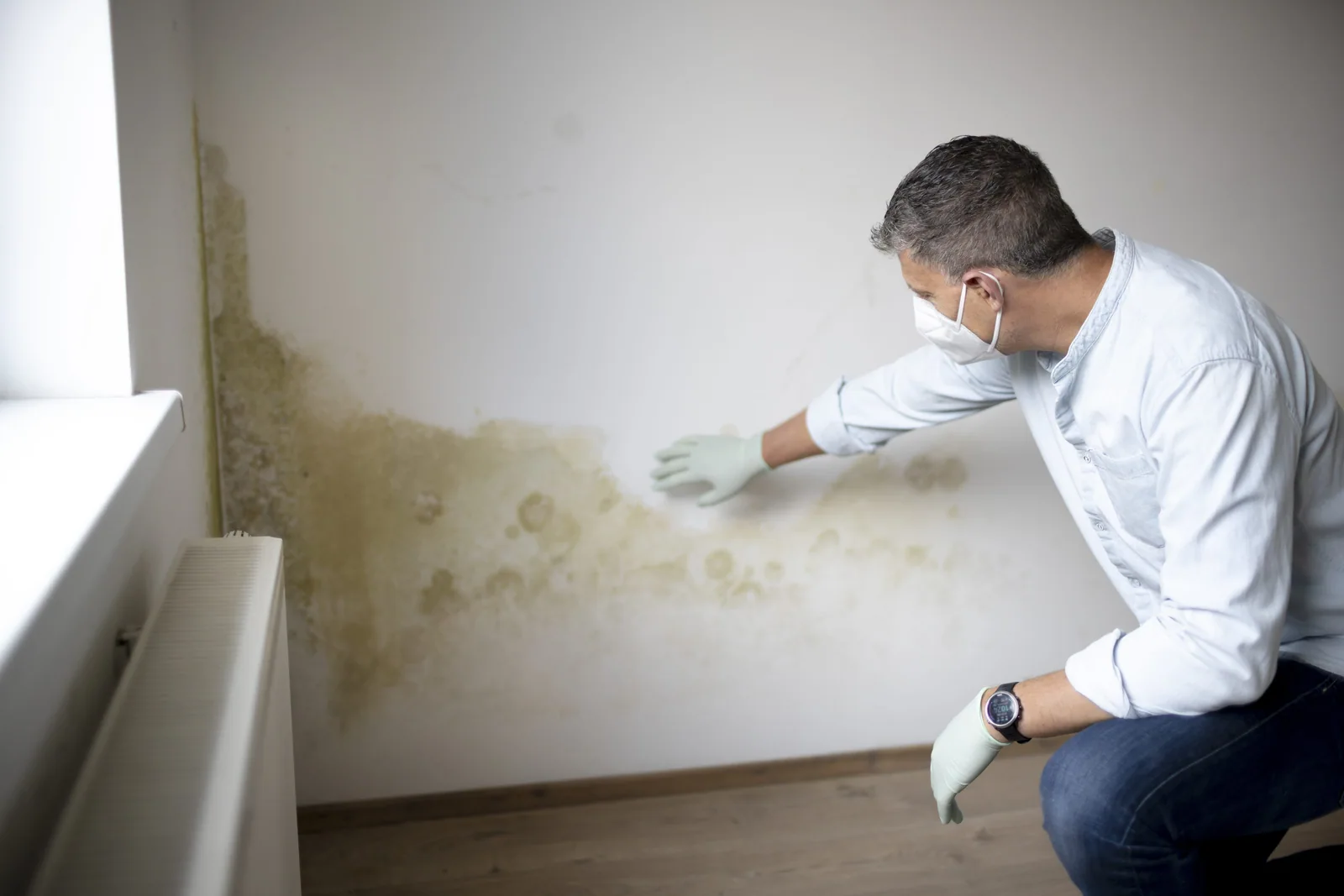
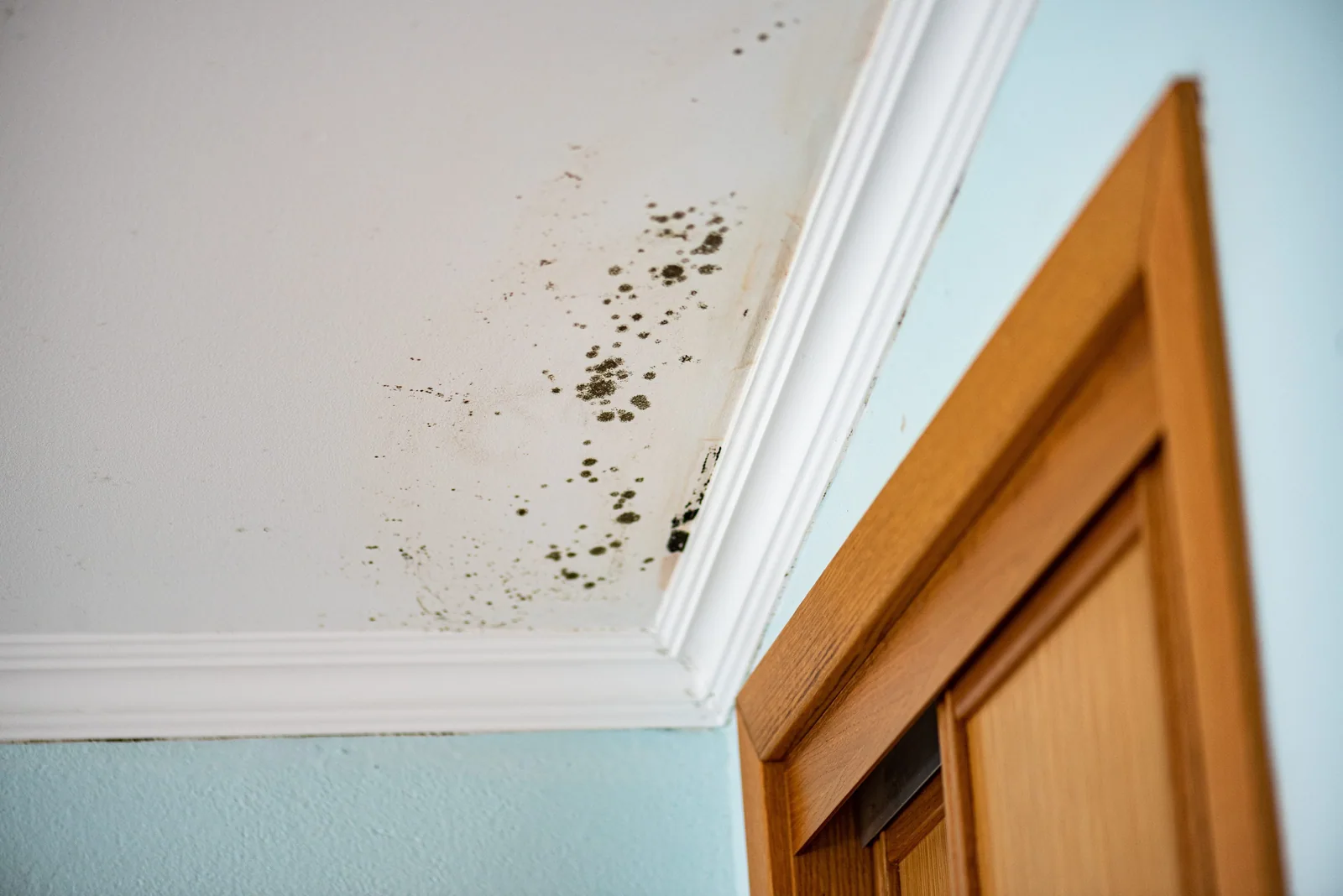
Mold remediation begins with understanding where growth is present, which materials are affected and what is keeping them damp. Cleaning a visible patch alone may leave the moisture problem unresolved. PNWR connects the remediation scope with appropriate drying, repairs and contents decisions.
Communication From the First Inspection
At Pacific Northwest Restoration, client communication is a cornerstone of our mold remediation services. From the initial inspection to the final stages of the remediation process, we ensure that homeowners are kept informed every step of the way. Our team provides regular updates on the progress, detailing the findings from inspections, the methods being employed, and the results of each phase of remediation.
Understanding the Proposed Scope
We understand that dealing with mold issues can be stressful and concerning. That’s why we prioritize transparency and clarity, answering any questions you might have and addressing your concerns promptly. Our goal is to make the remediation process as smooth and worry-free as possible for you.
A Plan for the Property
In addition to regular updates, we also offer consultations to discuss any specific needs or preferences you may have. This personalized approach ensures that the remediation plan we develop is perfectly tailored to your home and your situation. Whether it’s scheduling around your availability or accommodating special requests, our team is dedicated to meeting your needs.
Before You Get Started
Share when staining, odors or leaks were first noticed and whether the moisture source is still active. The proposed scope depends on the conditions found; avoid disturbing suspect areas before the assessment.
Questions to Ask Before Work Begins
- What moisture source is contributing to the affected area?
- What work is proposed, and which areas will be isolated?
- Who is handling source repairs and the finishes removed for access?
- What completion documentation is included in the scope?
We can talk through these questions with you when reviewing the property and proposed work. Keep the estimate, authorizations, and project updates together. If conditions change or additional work is proposed, ask how the scope, cost, and next steps will be documented before making a decision.