Client Success
Updates, documents & portal access
Questions about your next step, paperwork, plans, permits, or accessing project records? Client Success will help you get an answer.
Homeowner Resources
Start with independent Washington and national guidance, then use the restoration-stage guide to understand what may happen next.

These links go directly to government and nonprofit sources. They are listed before PNWR material so you can check independent guidance first.
A Washington-specific starting checklist after property damage.
How to document the loss, work with an adjuster, and follow the claim.
Guidance on temporary living expenses when a covered loss makes a home unlivable.
A detailed state guide to policies, claims, coverage, and consumer rights.
Practical steps for safety, immediate needs, and the first phase of recovery.
Safety guidance for returning to and checking a fire-damaged property.
Local referrals for shelter, food, health, financial, and emergency support.
Support 7 is a nonprofit that supports people and families affected by crisis in South Snohomish County. Their team works alongside first responders to help the community through difficult moments.
Explore Support 7 resources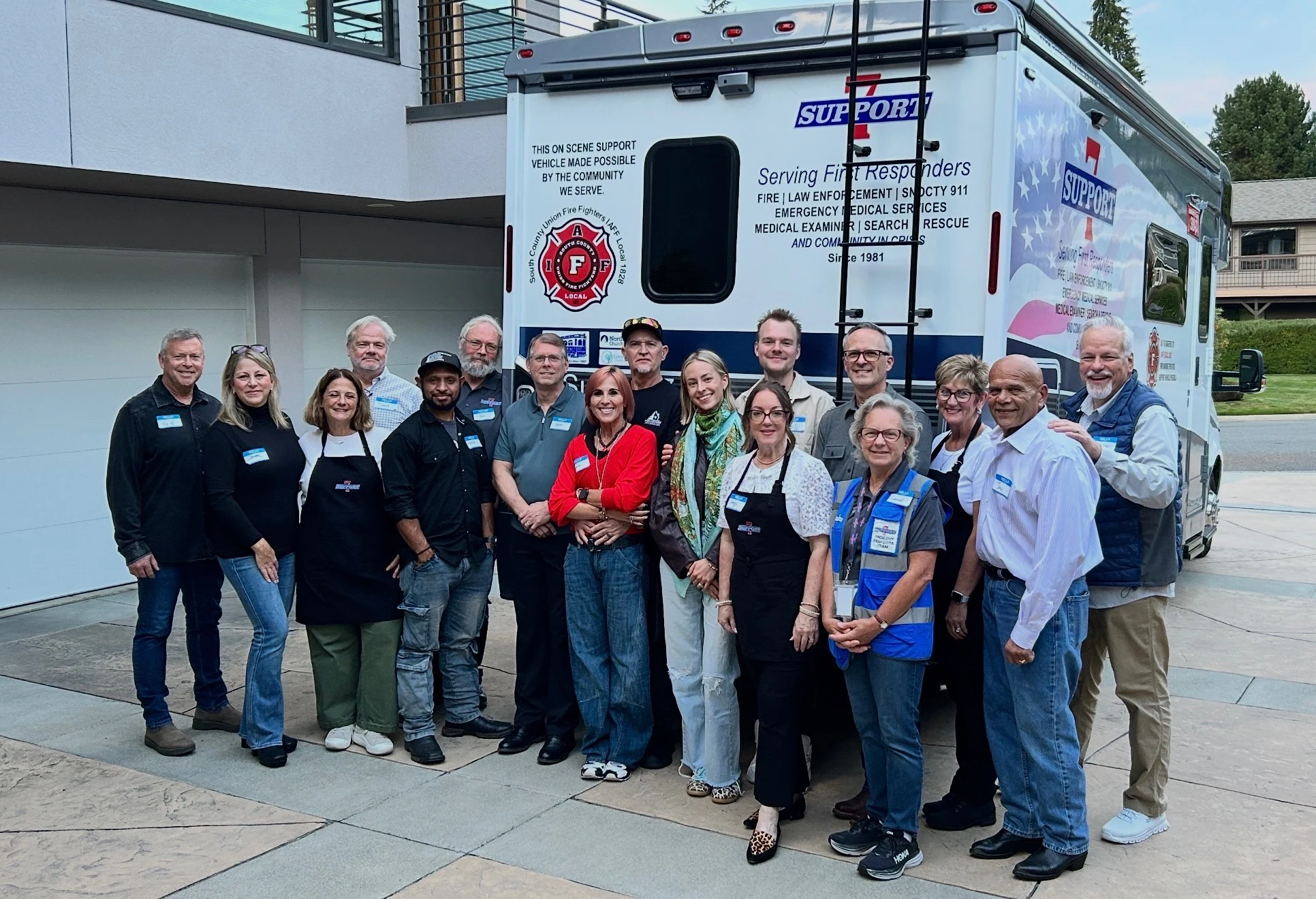
In the wake of a disaster like fire damage or water damage, time is of the essence. At Pacific Northwest Restoration LLC, we understand the critical need for urgent response services. Our team is available 24/7 to assist you in emergencies, providing swift and efficient support to minimize further damage and start the restoration process as soon as possible.
Understand the damage, see the work, and make more informed decisions about what comes next.
Fire & smoke
Published
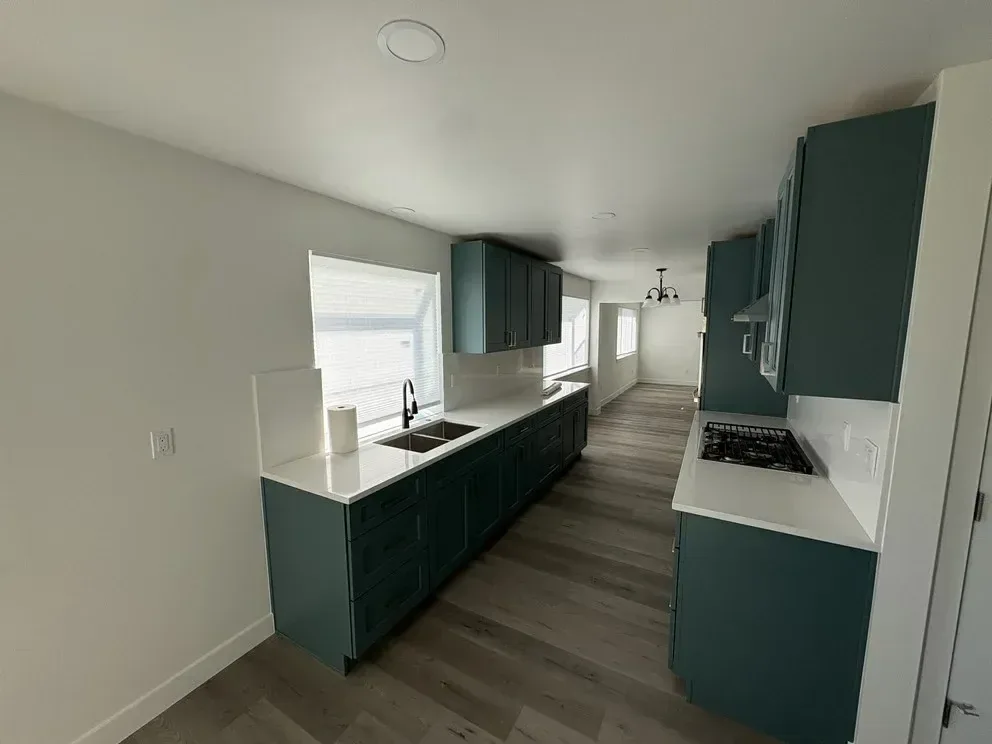
Learn how smoke travels through a home, why odors linger, and how PNWR handles smoke cleanup and repairs. See photos from one completed restoration project.
Water damage
Published
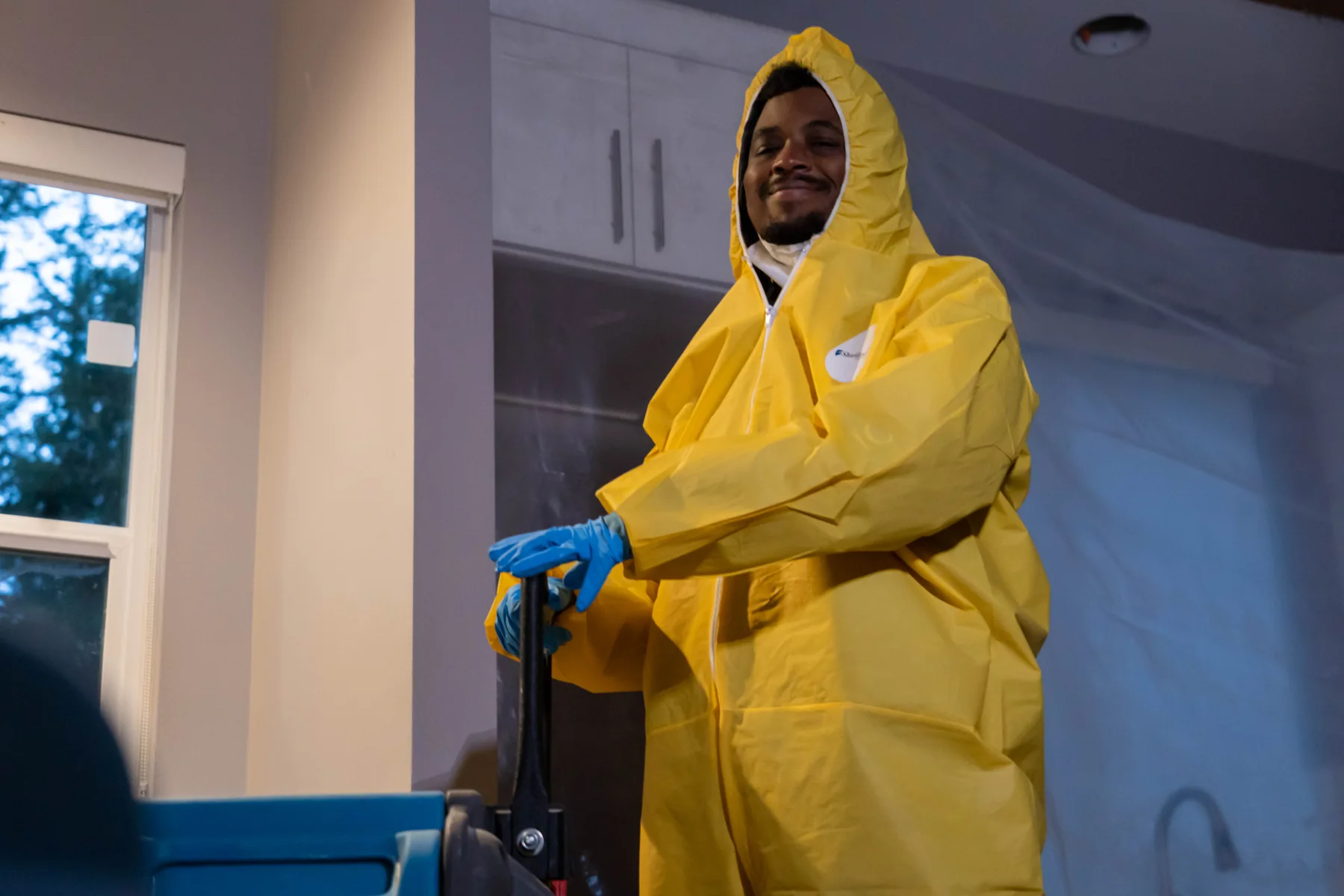
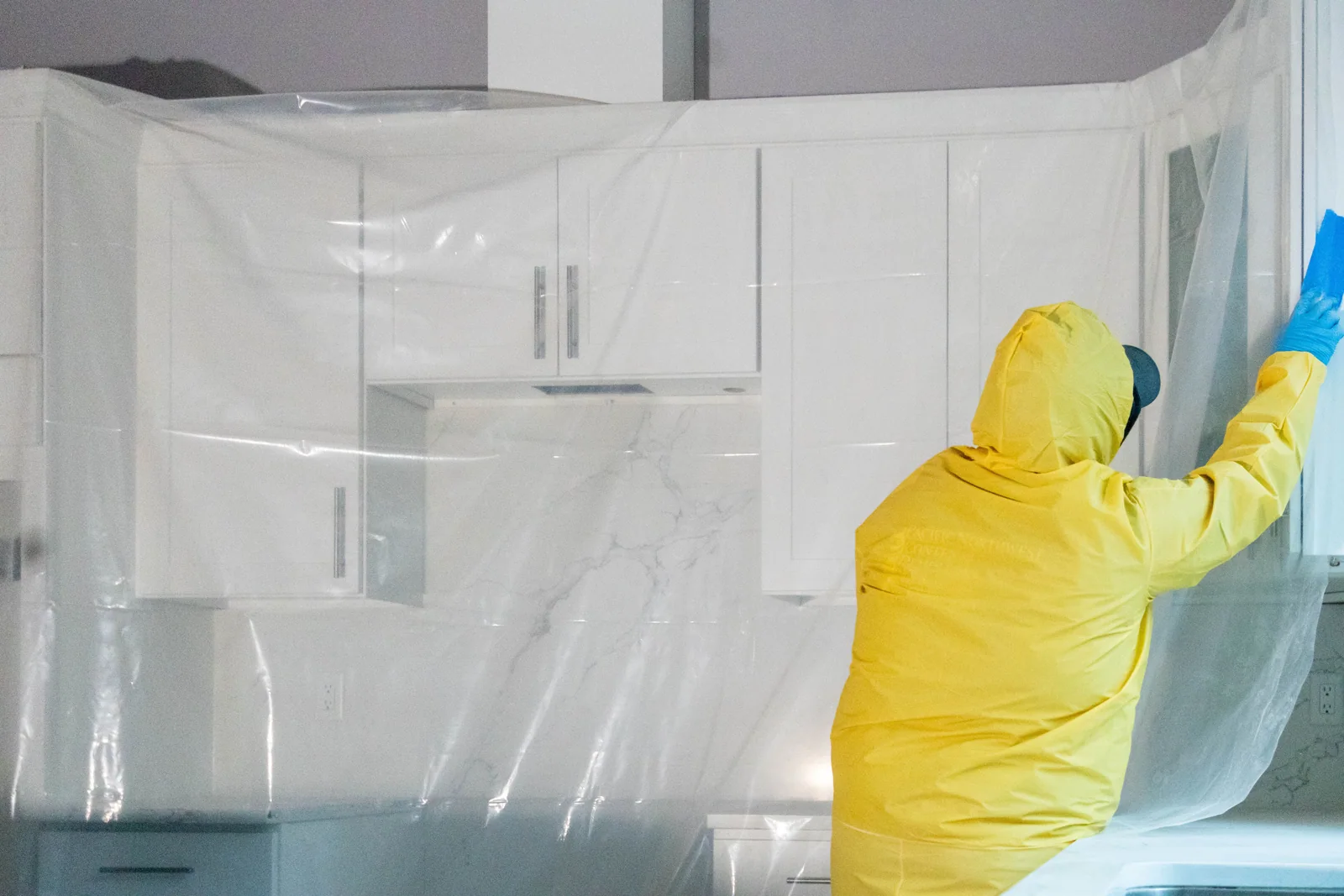
Understand the difference between water mitigation and reconstruction, what each stage includes, and how PNWR coordinates drying, repair planning, and finished work.
Water damage
Published
A closer look at water extraction, hidden moisture, structural repairs and contents recovery, with illustrations of the mitigation process.
Fire & smoke
Published
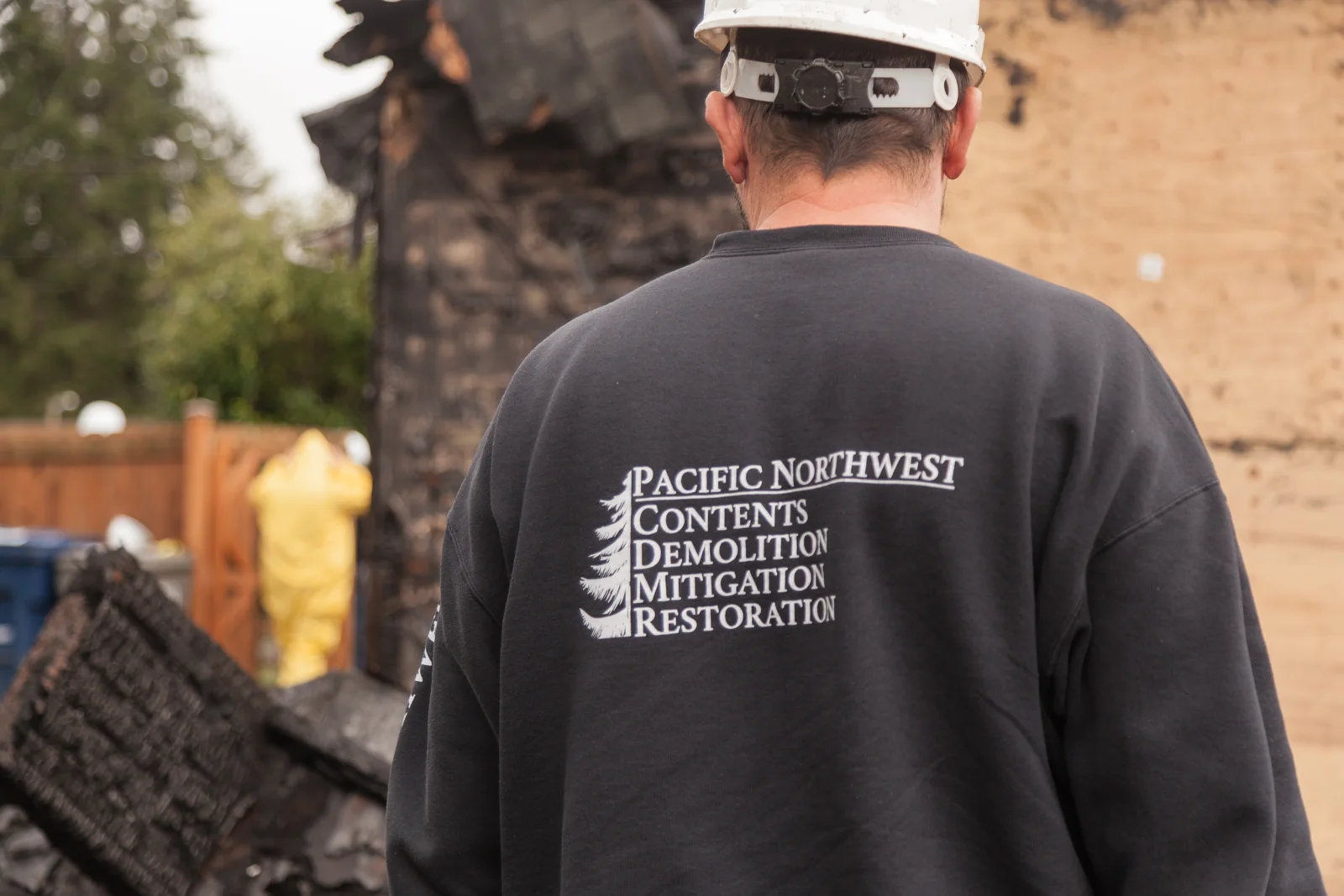
How assessment, property protection, smoke cleanup, contents care and reconstruction connect after a fire.
Keep people away from unsafe areas and follow emergency authorities' directions. When it is safe, document the damage, contact your insurer, and call PNWR to discuss the restoration response. Do not enter a hazardous area to take photographs or gather belongings.
Timing depends on the damage, drying and specialty work, the approved repair scope, permits, inspections, material availability, and access. The project team can discuss an estimated sequence after the assessment and update it as conditions change.
Your insurance carrier determines coverage and payment under your policy. PNWR documents the damage and restoration scope and can coordinate with the assigned adjuster. Ask the carrier about coverage, deductibles, temporary living expenses, and any disputed items.
The team assesses the affected areas, removes water where appropriate, plans drying and dehumidification, monitors moisture, and documents materials that may need further work. Those findings inform contents care and the repair scope.
The scope can include stabilization, smoke and soot cleaning, contents handling, material removal, and reconstruction. Testing or specialty work may affect the sequence. The plan is based on the conditions found at the property.
Tell the project team where you have noticed growth, odors, or recurring moisture. The assessment considers the affected materials and moisture source before the remediation scope is planned. Do not disturb suspected contamination to investigate it yourself.
Contents may be inventoried, packed, cleaned, stored, returned, or documented for another disposition. Identify important documents, medicines, work items, and other priorities, and review inventory and disposition decisions with the team.
Yes. Review upgrade ideas during planning, before materials are ordered or work is authorized. Coverage is determined by the insurer, and optional changes may include an owner-paid difference.
For more detail, use the official Washington and disaster-recovery resources above, or contact the PNWR team.
You can always reach Client Success with a question. We’ll help with the next step and bring in the right team when you need them.
Email Client SuccessInclude your name and project address or job number so we can find your project quickly.
Client Success
Questions about your next step, paperwork, plans, permits, or accessing project records? Client Success will help you get an answer.
Your assigned Project Manager
Discuss the rebuild schedule, site access, construction questions, walkthroughs, and changes to the approved scope with your Project Manager.
Showroom & Design
Work with our designer on colors, flooring, cabinets, tile, and finish selections. Coordinate layout or budget changes with your Project Manager.
Your Contents or Mitigation team
Use your assigned team's contact for inventories, stored belongings, cleaning, equipment, and work in progress. Client Success can connect you.
For estimate, insurance-documentation, or invoice questions, Client Success can connect you with Estimating or Accounts Receivable.
Open any stage to see what PNWR may be doing, what you can do, what can delay progress, and who should have the latest answer. The exact path varies by property, safety conditions, permits, and insurance decisions.
Safety comes first. Emergency authorities and utilities may need to address fire, electrical, structural, gas, or water hazards before restoration work can begin.
The property is safe to approach, emergency contacts are documented, and stabilization can be authorized.
PNWR Emergency Response Team
The loss is photographed, measured, and documented. Your insurer may assign an adjuster, and PNWR can organize site information for the restoration scope.
Initial conditions, affected areas, contacts, and urgent scope are documented.
Client Success or Estimating
PNWR works to stabilize the property and reduce additional damage. Work may include extraction, drying, board-up, temporary protection, smoke cleanup, testing, or selective removal.
The source is controlled, affected areas are stabilized, and required drying or environmental checks are documented.
Mitigation Team
Belongings may be inventoried, packed, cleaned, stored, or documented. Materials that cannot remain may be removed with the repair scope in mind.
Salvage decisions are recorded, contents are secured, and damaged materials are removed as needed.
Contents Team or Mitigation Project Manager
The restoration scope and estimate are prepared and reviewed. Additional documentation or supplements may be needed when concealed conditions or scope differences are found.
The repair scope is sufficiently defined and authorized to support scheduling and purchasing.
Estimating or Client Success
Larger projects may require drawings, engineering, permits, material selections, and preconstruction planning. City review and long-lead materials can affect timing.
Required permits are issued, key selections are approved, and the construction schedule is ready.
Project Manager, Client Success & Design
The Project Manager coordinates construction, inspections, updates, the final walkthrough, punch-list work, contents return, and applicable closeout documents.
Final inspections and walkthroughs are complete, agreed punch items are addressed, and closeout information is delivered.
Construction Project Manager
Tell us what happened and where you are in the process. We'll connect you with the appropriate PNWR team and help you understand the next step.
This information is for general education. Every property, policy, and claim is different. Insurance coverage and payment decisions are made by the applicable insurer. Project services, stages, and timelines may vary.