A fire does not have to destroy your entire home to leave damage throughout it. Even a small kitchen fire can spread smoke, soot, and lingering odors into rooms that were never touched by flames.
At Pacific Northwest Restoration, we know recovering from a fire means more than repairing what burned. Smoke can also affect walls, ceilings, cabinets, insulation, heating and cooling systems, and belongings. Some damage is easy to see; other areas need a closer look.
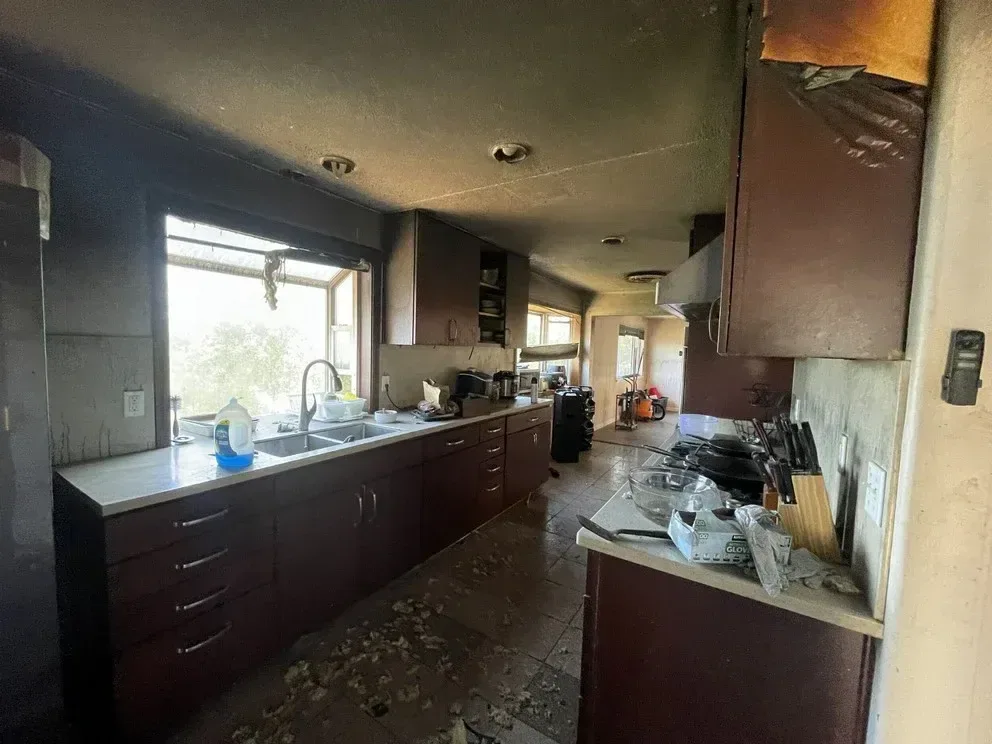
Before restoration
After restoration
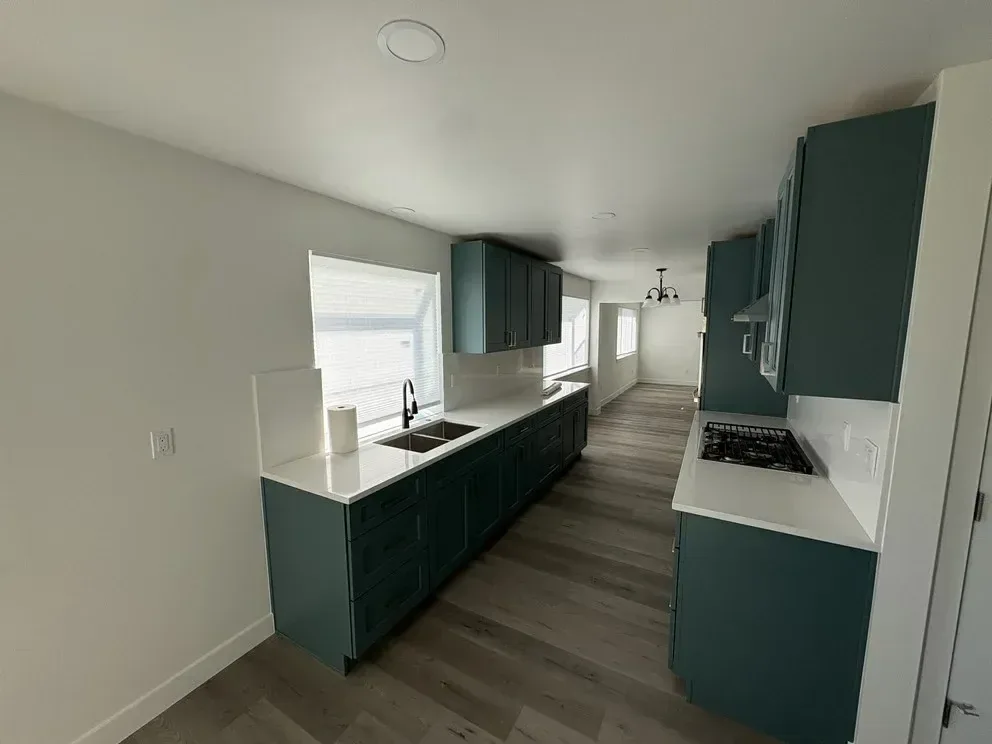
Every photo in this article comes from one completed Pacific Northwest Restoration fire restoration project. These kitchen photos show the damage and finished repairs from different angles.
How smoke spreads through your home
When a fire starts, hot smoke rises and follows moving air and any openings it can find. Even when flames stay in one room, smoke can spread to other parts of the home.
- Heating and cooling systems: Moving air can carry smoke into rooms far from the fire.
- Gaps in walls and ceilings: Smoke can move through openings around pipes, wires, and wooden framing.
- Cabinets and closets: Soot and smoke smells can settle inside closed spaces.
- Attics and insulation: Insulation can trap smoke smells long after a fire is out.
- Furniture and floors: Carpet, upholstered furniture, and unfinished wood can hold smoke residue and odors.
This is why a bedroom far from a fire may still smell smoky, even when it looks undamaged.
Smoke damage is not always visible
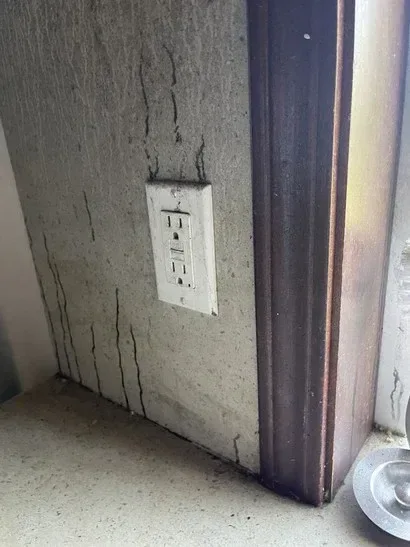
Soot is the dark dust or sticky residue left behind by smoke. It can appear as black streaks, greasy buildup, or stains on walls and ceilings. Even when you cannot see it, smoke residue may have spread through other areas of the home.
For example, a cooking-oil fire can leave greasy residue on cabinets. Burning plastics can leave different types of soot that need different cleaning methods. Using the wrong cleaner can smear soot or damage the surface.
Why smoke odors keep coming back
Opening windows or using household cleaners may improve smoke odors for a little while. But smells can return when smoke residue remains in exposed wood, insulation, cabinets, carpet, furniture, or air vents.
Effective smoke odor removal starts with finding what is causing the smell. Then, affected materials are cleaned or removed as needed. Air fresheners alone will not solve the problem.
How professionals restore smoke-damaged homes
The work needed depends on what burned, how far smoke traveled, and how badly materials were damaged. A professional restoration plan typically includes these steps:
1. Inspect and document the damage
Technicians check for visible soot and look for signs of smoke in nearby rooms, cabinets, spaces above ceilings, and heating and cooling systems. Photos and notes help show what needs to be cleaned or repaired.
2. Remove residue and clean surfaces
Different surfaces need different cleaning methods. Professionals may use HEPA vacuums, special cleaning products, and careful cleaning of ceilings, walls, trim, cabinets, and other materials that can be saved.
3. Control airborne particles and treat odors
Air scrubbers with HEPA filters help catch tiny particles floating in the air. Activated-carbon filters may help reduce some odors. But air filtration alone cannot remove soot trapped inside walls, insulation, or other materials.
4. Remove materials that cannot be restored
Porous materials have tiny openings that can soak up smoke residue and hold odors. Examples include insulation, carpet, fabric-covered furniture, and unfinished wood. Badly burned materials or items that cannot be properly cleaned may need to be removed. Not every porous material has to be replaced.
Does the HVAC system need cleaning?
If the heating or cooling system was running during the fire, smoke may have entered vents, filters, ducts, or equipment. That does not mean every fire requires the entire duct system to be replaced.
A qualified professional can check whether air filters, ducts, and other parts of the system need cleaning or replacement. This helps prevent missed smoke residue and odors that keep coming back.
When smoke damage requires reconstruction
Cleaning is not always enough. Heat, soot, and water used to put out the fire can damage drywall, cabinets, floors, insulation, and wood framing. After checking the damage, rebuilding may include:
- Walls and ceilings: Remove damaged drywall or insulation and repair the affected areas.
- Wood framing: Repair or replace damaged framing when needed.
- Cabinets and finishes: Restore cabinets, floors, trim, paint, and other damaged parts of the home.
- Preparing for repairs: Clean materials that will stay in place before installing new finishes.
Putting new finishes over areas that have not been properly cleaned can leave smoke odors or hidden damage behind the walls and other finished surfaces.
Will homeowners insurance cover smoke damage?
Many homeowners policies cover sudden, accidental fire damage and related smoke damage, subject to policy terms, exclusions, and limits. Depending on the loss, covered work may include cleaning, odor treatment, removal of damaged materials, and repairs.
The approved scope depends on the policy and the documented damage. Photos, detailed estimates, and inspection findings help establish what repairs are needed.
Fire and smoke damage restoration in Seattle
For homeowners across Seattle and the greater Puget Sound area, smoke damage may require both careful cleaning and complete repairs. Pacific Northwest Restoration helps homeowners understand the damage, plan the needed work, and bring their homes back.
Dealing with smoke damage after a fire?
Contact Pacific Northwest Restoration to discuss your property and the next steps toward restoring your home.