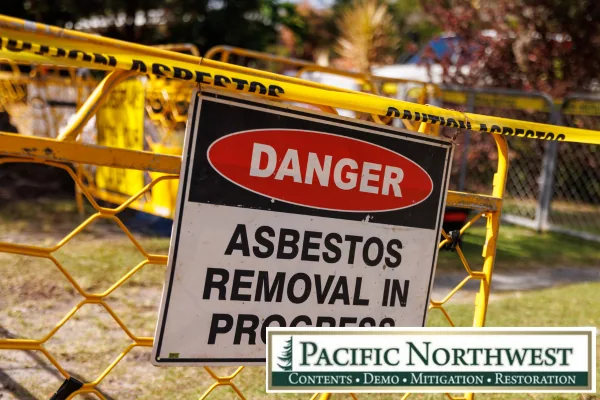
During repairs or restoration, disturbing certain materials can release harmful asbestos fibers into the air. This is especially relevant for older buildings, where asbestos-containing materials were often used in construction. Identifying suspect materials before they are disturbed helps the project team plan the appropriate evaluation and specialty work.
Identify the Material Before Disturbance
During repairs or restoration, disturbing certain materials can release harmful asbestos fibers into the air, posing serious health dangers. This is especially true for older buildings, where asbestos-containing materials were often used in construction. Identifying these materials early is essential to prevent further contamination.
Testing and Scope Review
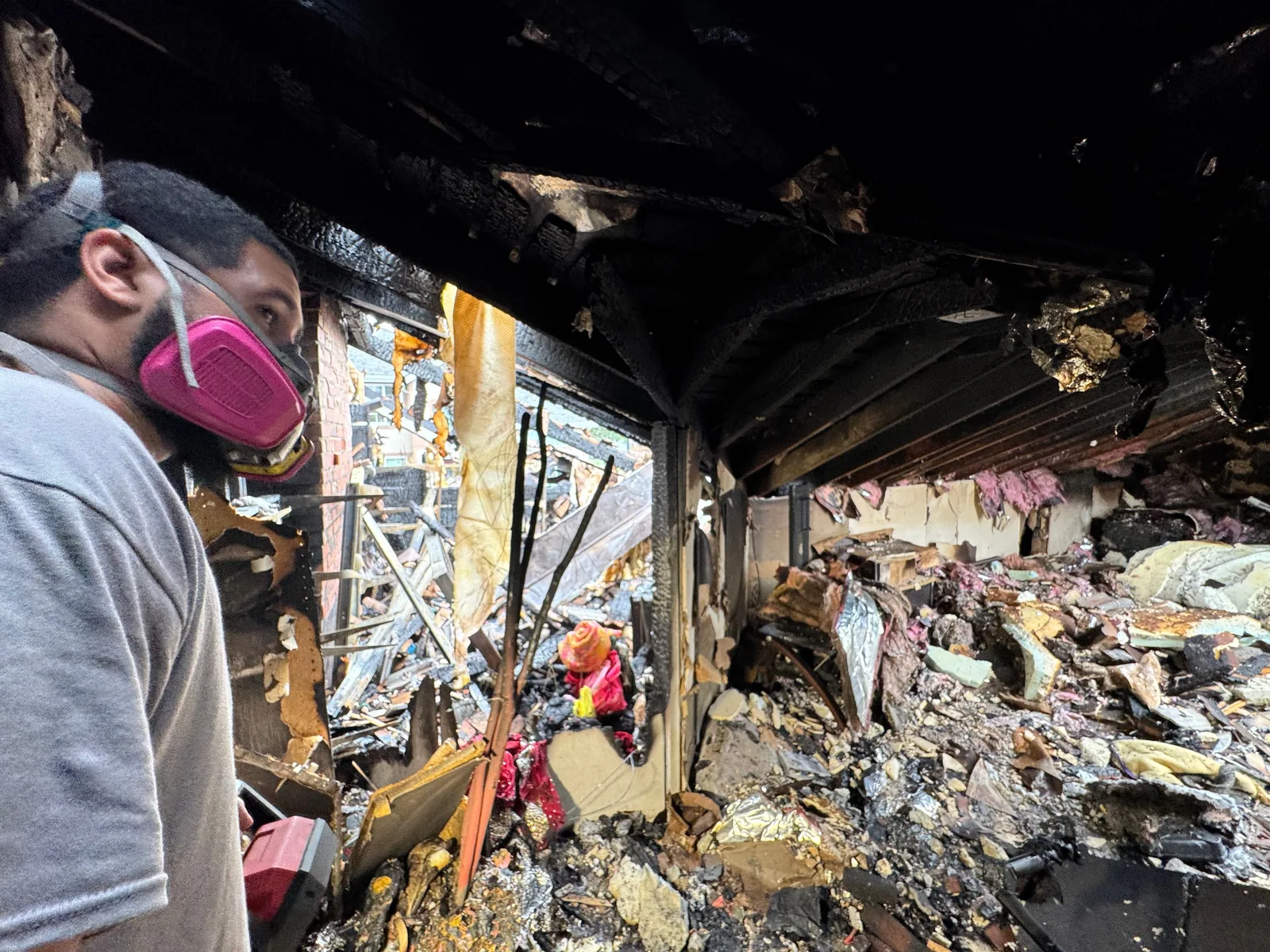
Share the proposed repair or demolition scope and any existing testing reports. Material appearance or building age alone does not confirm whether asbestos is present. Appropriately qualified providers determine the evaluation and specialty work needed.
Containment, Removal and Cleanup
Asbestos abatement involves carefully handling materials containing asbestos to prevent harmful fibers from becoming airborne. The qualified provider plans containment, removal, cleanup, disposal and any required completion documentation for the actual site conditions.
Access and Timing
The timeframe depends on the size of the affected area and the complexity of the work. Follow the specialty provider’s direction about access and occupancy. Required completion steps need to be addressed before other trades resume the affected work.
Continue the Restoration Plan
After the specialty phase is complete, the property may still need repairs, new finishes or reconstruction. Keeping those scopes connected helps the owner understand the sequence and who is responsible for each stage.
Before You Get Started
Do not disturb suspect materials. Share existing test reports and the planned scope with PNWR. Appropriately qualified testing and abatement providers establish the required specialty work; PNWR coordinates the surrounding restoration.
Questions to Ask Before Work Begins
- What existing survey or testing reports apply to the planned work?
- Which qualified provider will perform the specialty work?
- What access restrictions and completion steps apply to the area?
- When can restoration trades return, and what repairs remain afterward?
We can talk through these questions with you when reviewing the property and proposed work. Keep the estimate, authorizations, and project updates together. If conditions change or additional work is proposed, ask how the scope, cost, and next steps will be documented before making a decision.